

IUSD GPA Management is one of the biggest concerns for families in the Irvine Unified School District. Whether a student attends University High School, Northwood High School, Portola High School, Irvine High School, Woodbridge High School, or Beckman High School, maintaining a competitive GPA has become increasingly important for college admissions. A strong GPA not only reflects consistent academic performance but also opens more opportunities for honors courses, scholarships, and selective universities.

Why GPA Matters More Than Ever
For students applying to UC campuses, CSU schools, and highly selective private universities, GPA remains one of the most important factors in the admissions process.
Unlike standardized tests, GPA reflects consistent academic performance over several years. Admissions officers often view it as a stronger indicator of a student’s work ethic, time management, and ability to succeed in rigorous coursework.
For students in IUSD, where academic competition is especially strong, maintaining a high GPA can make a significant difference when applying to colleges.
Why GPA Can Feel More Competitive in IUSD
IUSD is consistently recognized as one of California’s highest-performing school districts. Students often take multiple Honors and AP courses while balancing extracurricular activities, leadership positions, athletics, music programs, and volunteer work.
Because many students perform at a high academic level, maintaining a competitive GPA can feel especially challenging. Even small differences in grades may influence class rank, course placement, and college competitiveness.
For many families, GPA management isn’t about chasing perfection—it’s about building a sustainable academic plan that allows students to succeed without unnecessary stress.
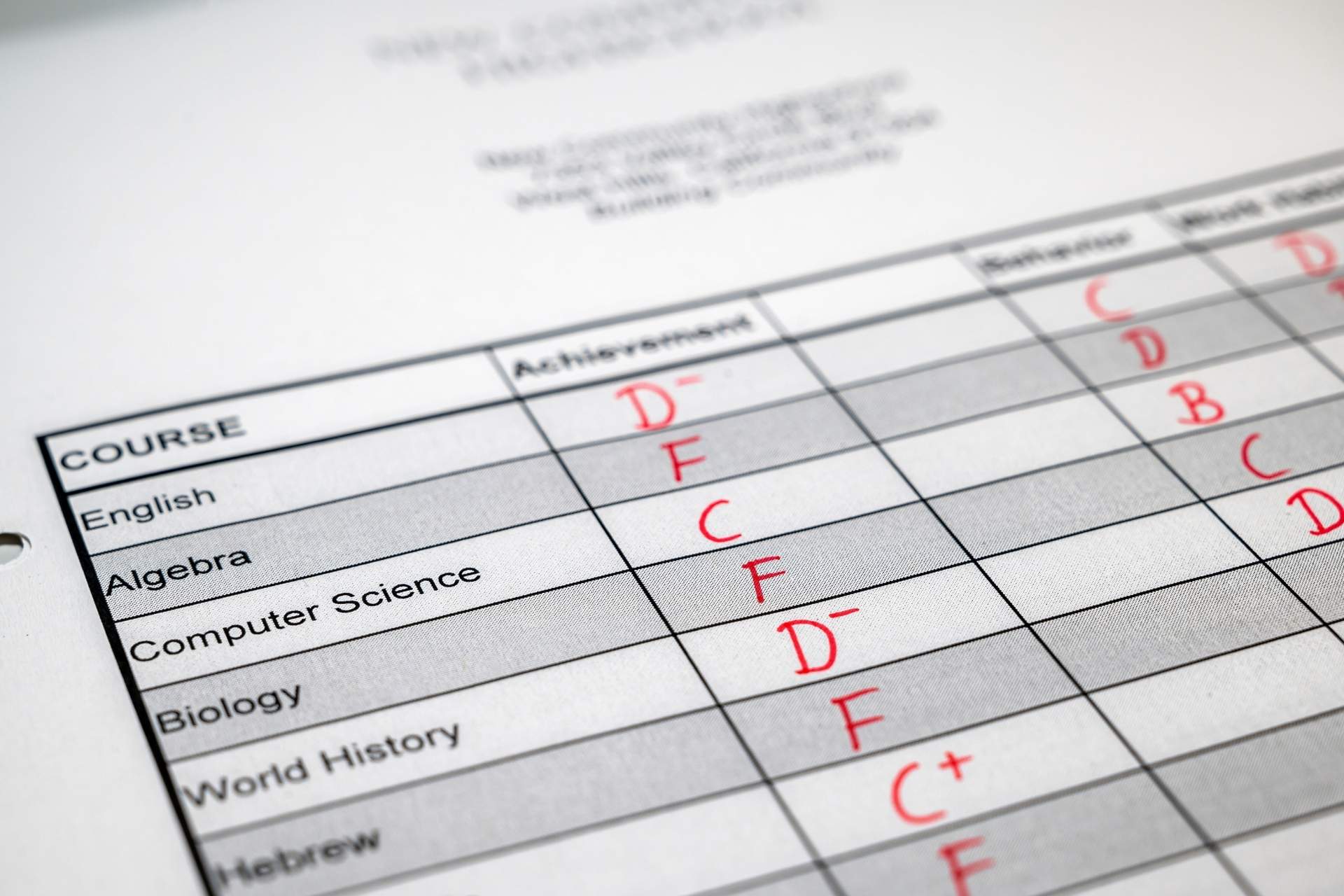
Understand Weighted vs. Unweighted GPA
One common question from Irvine families is whether students should focus on weighted GPA or unweighted GPA.
Unweighted GPA is calculated on a standard 4.0 scale.
Weighted GPA includes additional points for Honors, AP, and certain advanced courses.
Because many IUSD high schools offer numerous Honors and AP options, students often graduate with weighted GPAs well above 4.0. However, this doesn’t necessarily mean every student should take the maximum number of advanced classes.
Choosing courses that match a student’s academic strengths is often more beneficial than overloading on difficult classes and seeing grades decline.
Build Strong Study Habits Early
Many students don’t realize GPA management begins long before junior year. Developing effective habits during middle school and freshman year helps students transition more smoothly into challenging Honors and AP courses later.
Successful students typically:
- Review class material consistently
- Complete assignments before deadlines
- Ask teachers for help early
- Take advantage of tutoring when concepts become difficult
- Prepare for quizzes instead of cramming before exams
These habits often have a greater long-term impact than last-minute studying.
Make Smart Course Selection Decisions
One of the most common mistakes students make is selecting courses based on what their friends are taking instead of choosing classes that fit their own academic strengths and long-term goals.
In IUSD high schools, students often have access to Honors, AP, and elective courses across a wide range of subjects. Building a balanced schedule can help students maintain a strong GPA while still challenging themselves academically.
A thoughtful four-year academic plan is often more effective than making course decisions one semester at a time.
Balance AP Courses Carefully
Taking AP classes can strengthen a college application, but more isn’t always better.
For many IUSD students, choosing three or four AP courses they can excel in is often more effective than enrolling in six or seven and struggling academically.
College admissions officers generally prefer students who demonstrate consistent excellence rather than excessive course loads with declining grades.
Don’t Wait Until Grades Drop
One of the biggest mistakes families make is waiting until report cards show declining grades before seeking academic support. By the time a student’s GPA has fallen significantly, recovering can take multiple semesters.
Instead, many families choose to monitor academic progress throughout the school year, addressing challenges early before they become larger problems.
Regular tutoring, study planning, and academic coaching can help students stay on track and reduce stress during busy semesters.
GPA Management Is More Than Tutoring
Effective GPA management isn’t simply about helping students complete homework. It involves:
- Academic planning
- Time management
- Course selection guidance
- Test preparation
- Progress monitoring
- Long-term college planning
When these elements work together, students are better positioned to achieve both strong grades and long-term academic success.
GPA Strategies for Every Grade Level
Freshman year is the time to establish strong study habits and adjust to high school expectations.
Sophomore year is often when students begin taking more Honors or AP classes while exploring extracurricular interests.
Junior year is typically the most academically demanding, requiring students to balance rigorous coursework, standardized testing, and college preparation.
By approaching each year with a clear academic plan, students can reduce stress and maintain consistent academic performance.

Can You Recover From a Low GPA?
Yes—but the earlier students take action, the easier the process becomes.
Improving grades often requires identifying weak subjects, adjusting study strategies, seeking additional academic support, and creating realistic semester goals.
Waiting until senior year usually leaves fewer opportunities to significantly improve an overall GPA.
Although GPA officially becomes more important in high school, many successful IUSD students begin building strong academic habits during middle school. Developing effective organization, note-taking, reading comprehension, and math skills early often makes the transition into high school significantly smoother.
Frequently Asked Questions
What is considered a good GPA in IUSD?
A competitive GPA depends on a student’s goals, but many students applying to selective universities aim for a strong unweighted GPA while taking appropriately challenging coursework.
How can students improve their GPA in high school?
Students can improve their GPA by developing consistent study habits, seeking academic support early, managing their time effectively, and choosing courses that match their academic strengths.
Does GPA matter more than SAT scores?
Both are important, but GPA reflects long-term academic performance and is one of the most significant factors considered by many colleges.
Can Novel Prep help with IUSD GPA Management?
Yes. Our advisors help students with course planning, GPA management, AP preparation, subject tutoring, and long-term college planning.
Supporting IUSD Students at Novel Prep
At Novel Prep, we support students across the Irvine Unified School District, including University High School, Northwood High School, Portola High School, Irvine High School, Woodbridge High School, Beckman High School, and nearby middle schools.
From GPA management and subject tutoring to AP preparation, SAT planning, and long-term college counseling, our advisors work with students to build personalized academic plans that fit their individual goals.
Whether your student is preparing for Honors courses, aiming to improve their GPA, or planning ahead for college admissions, starting early can make a meaningful difference.