

For families in the Fremont Unified School District (FUSD), academic success isn’t built in a single semester—it’s the result of thoughtful planning over many years. From middle school through high school, every academic decision plays a role in preparing students for future opportunities.
Whether your student attends Mission San Jose High School, Irvington High School, American High School, Washington High School, or John F. Kennedy High School, having a long-term academic plan can help reduce stress, improve confidence, and create a stronger foundation for college admissions.
Many students focus on individual milestones such as AP classes or standardized tests. However, successful FUSD Academic Planning is about understanding how coursework, GPA, extracurricular involvement, and college preparation work together over time.

Why Academic Planning Matters in FUSD
FUSD is known for its strong academic programs and motivated student community. While these opportunities allow students to challenge themselves, they also require thoughtful planning to avoid unnecessary pressure.
A well-designed academic plan helps students:
- Build a strong academic foundation
- Maintain consistent academic performance
- Select courses that match their interests and goals
- Balance AP, Honors, and elective classes
- Prepare for standardized testing
- Stay organized throughout high school
Rather than making decisions one semester at a time, families benefit from viewing high school as a four-year journey.
Think Beyond Individual Classes
One of the most common misconceptions is that taking the most difficult schedule automatically leads to stronger college applications.
In reality, colleges evaluate students in the context of their overall academic journey. They want to see students challenge themselves appropriately while maintaining consistent performance and demonstrating genuine interests outside the classroom.
Instead of asking, “How many AP classes should my student take?” a better question is, “Which courses best support my student’s long-term goals?”
Thoughtful course selection often leads to stronger outcomes than simply choosing the most rigorous schedule available.

Build a Four-Year Academic Roadmap
Academic planning works best when students understand how each year builds toward future opportunities.
Freshman Year:
Focus on developing strong study habits, adjusting to high school expectations, and building a solid academic foundation.
Sophomore Year:
Begin exploring advanced coursework, extracurricular interests, and possible academic strengths.
Junior Year:
Balance challenging classes with standardized testing, leadership opportunities, and college preparation.
Senior Year:
Maintain academic performance while completing college applications and preparing for the transition to higher education.Looking at all four years together helps students make more informed decisions and avoid unnecessary stress later.
Balance Academics with Personal Growth
Strong college applications are not built on grades alone.
Students also benefit from:
- Leadership experiences
- Community service
- Clubs and organizations
- Research opportunities
- Summer enrichment programs
- Personal interests and hobbies
These experiences allow students to explore their interests while developing important skills that extend beyond the classroom.
Maintaining a healthy balance also helps reduce academic burnout, which is a common concern for many high-achieving students.

Common Academic Planning Mistakes
Families often make decisions based on assumptions or comparisons with other students.
Some of the most common mistakes include:
Comparing academic schedules with friends
Every student’s strengths, goals, and interests are different. Academic planning should always be personalized.
Waiting too long to plan
Students who begin planning earlier often have more flexibility when choosing courses, extracurricular activities, and summer opportunities.
Focusing only on grades
Academic success includes much more than GPA. Colleges also consider course rigor, leadership, initiative, and long-term growth.
Trying to do everything at once
Overloading a schedule with too many advanced courses and activities can lead to unnecessary stress and reduced performance.

How Novel Prep Supports FUSD Students
Every student’s educational journey is unique, which is why long-term planning is just as important as academic performance.
At Novel Prep, we work with families throughout Fremont Unified School District to develop personalized academic strategies that support students from middle school through college admissions.
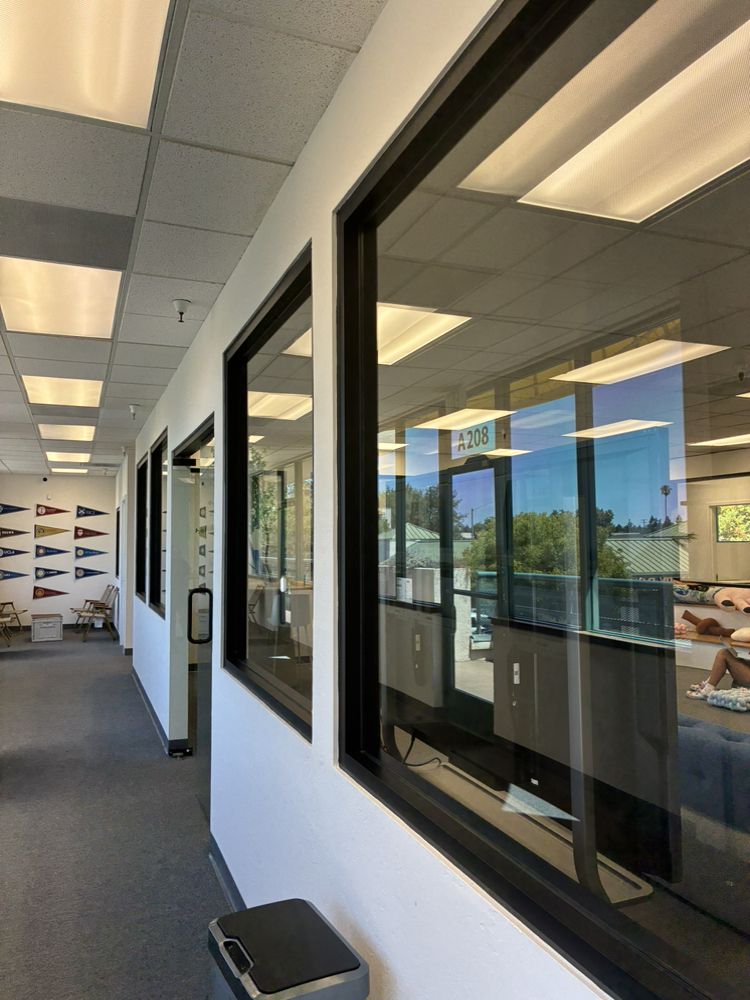
Our 360° Academic Management approach helps students stay organized, confident, and prepared for each stage of their academic journey.
Our services include:
- Personalized Four-Year Academic Planning
- GPA Management & Academic Progress Tracking
- Course Selection Guidance
- AP & Honors Planning
- Subject Tutoring (Math, English, Science, and Writing)
- SAT, ACT, AP, and AMC Preparation
- Summer Program & Extracurricular Planning
- College Counseling & Application Strategy
Rather than focusing on a single semester or test score, we help students build a balanced academic roadmap that supports long-term success.
Frequently Asked Questions
When should students begin academic planning in FUSD?
Students benefit from beginning academic planning as early as middle school or freshman year. Early planning provides greater flexibility when selecting courses and preparing for future college goals.
How many AP classes should FUSD students take?
There is no universal number. Students should choose advanced coursework based on their academic readiness, interests, and ability to maintain strong performance.
Does academic planning affect college admissions?
Yes. Colleges evaluate students based on their overall academic journey, including course rigor, GPA, extracurricular involvement, and long-term growth.
How can Novel Prep help FUSD students?
Novel Prep provides personalized academic planning, GPA management, tutoring, standardized test preparation, and college counseling to help students achieve their academic goals.